The Art of Sleep: Humans vs The Animal Kingdom
For humans, sleep is deeply crucial for emotional regulation, memory consolidation and overall well being. Restorative rest is one of our fundamental needs, so when humans lose even a couple of hours of sleep, it can often have dramatic consequences.
But across the rest of the animal kingdom there are 3 key differences in sleep styles and patterns vs our own night time routine. Scientists are still studying these to establish exactly how so many wild animals manage to bypass the strict biological rules of sleep that humans require.
1. DURATION
Human sleep is monophasic, consolidating around 7–9 hours of rest into a single nightly block - significantly less than all other primates. For other animal species, sleep spans wild and fascinating extremes to avoid predators and survive.
Unlike humans, many species have even evolved unique ways to rest without fully shutting down, ranging from African elephants, horses and cows that can get by on just 3-4 hours of sleep per day to koalas - legendary for sleeping up to 22 hours a day, deriving little energy from their eucalyptus diet.

2. TECHNIQUES
Humans are essentially helpless when deeply asleep, completely losing conscious awareness of our surroundings. Many animals have bypassed this vulnerability using specialized adaptations:
-
One Eye Open: Marine mammals like dolphins and sperm whales use unihemispheric sleep allowing them to shut down half of their brain at a time. By keeping the other half awake, they can continue to breathe, swim and watch for predators.
-
The Micro-Nap: Chinstrap penguins guard their nests by taking thousands of 4-second micro-naps. By doing this, they accumulate up to 11 hours of sleep over a day without ever putting their guard down.
- Aquatic Deep Dives: Elephant seals drift deep underwater into slow-wave sleep, slowly sinking while remaining unconscious, before floating back up to the surface for air without ever waking up.
3. POSTURE
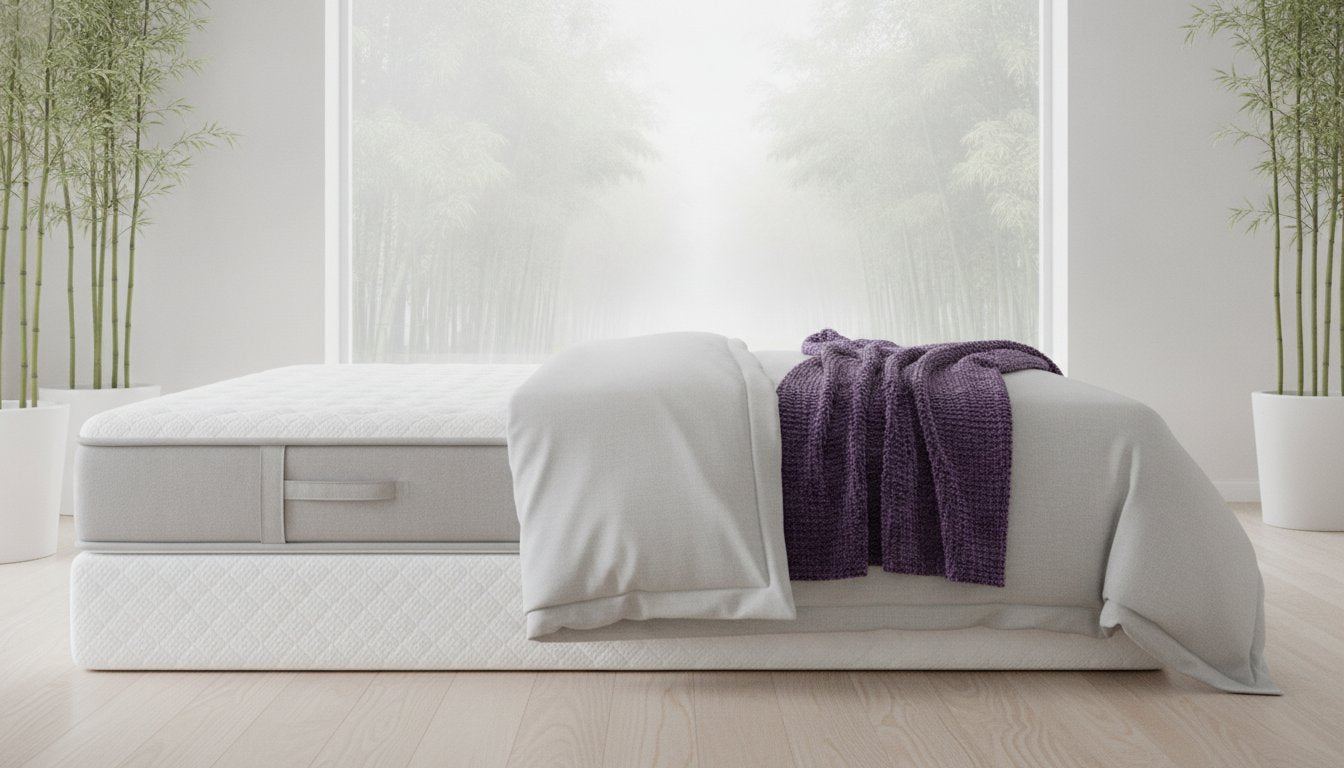
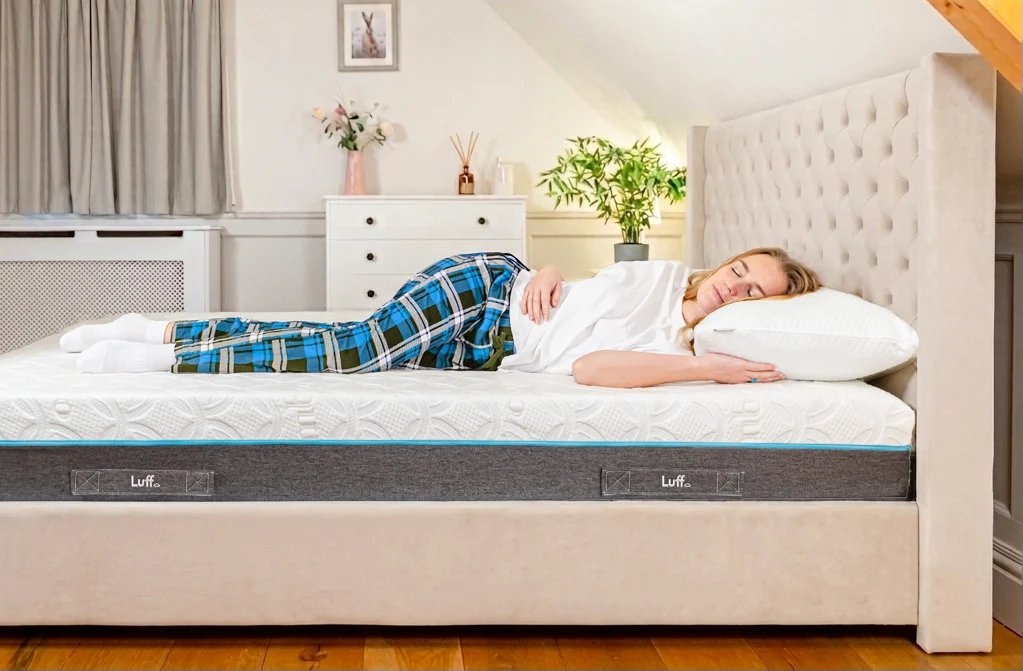
Humans generally require (and prefer!) a flat, comfortable surface to achieve deep, restful, restorative sleep - like Luff’s Prestige Hybrid Bamboo Mattress or one of our gel-infused mattress toppers.
However, for much of the animal kingdom, sleeping positions can vary wildly.
-
Vertical Slumber: Sperm whales bob vertically, completely motionless just below the surface of the water for up to an hour.
-
Locked Postures: Flamingos rest securely standing on a single leg, as their skeletal structure naturally locks into place to conserve energy.
- Hanging Around: Bats sleep completely inverted, relying on specialised tendons that lock their claws into place so gravity holds them securely.

However you sleep, sleep well.
The Luff Dream Team